Agency story
White Label SEO Reports: a detailed story for agencies that sell SEO
Picture an agency preparing for a multi-location clinic group. The opportunity is real, but the window is small: the account manager needed to send a report that looked like it came from the agency, not from a generic SEO tool.
The team does not need more noise. It needs a branded SEO report that made the agency look prepared, authoritative, and easy to trust.
This is where a better SEO agency workflow changes the tone of the entire sales conversation.
Use PitchSEO to turn audits into closed deals
PitchSEO helps agencies move from a cold URL to a sales-ready audit, pitch deck, proposal, and branded report. The advantage is not just faster reporting. It is a clearer buying conversation.
How agencies take advantage of PitchSEO
Start with a client-ready SEO audit report
Run the audit, surface the real issues, and give the prospect a report they can understand without decoding raw SEO data.
Turn findings into an SEO pitch deck
Use the audit story in a sales deck that explains the problem, the cost of waiting, and the first phase your agency recommends.
Send white label SEO reports
Keep your agency brand in front of the client with branded reports, proposal assets, and presentation material.
Use AI to speed up the first draft
Let PitchSEO help turn repeated audit patterns into plain-language recommendations your strategist can refine before the call.
Standardize the agency sales workflow
Give every team member the same structure for audits, follow-ups, proposals, pitch decks, and onboarding handoffs.
Close with clearer next steps
Move the conversation from 'here are SEO issues' to 'here is the plan, here is the priority, and here is how we start.'
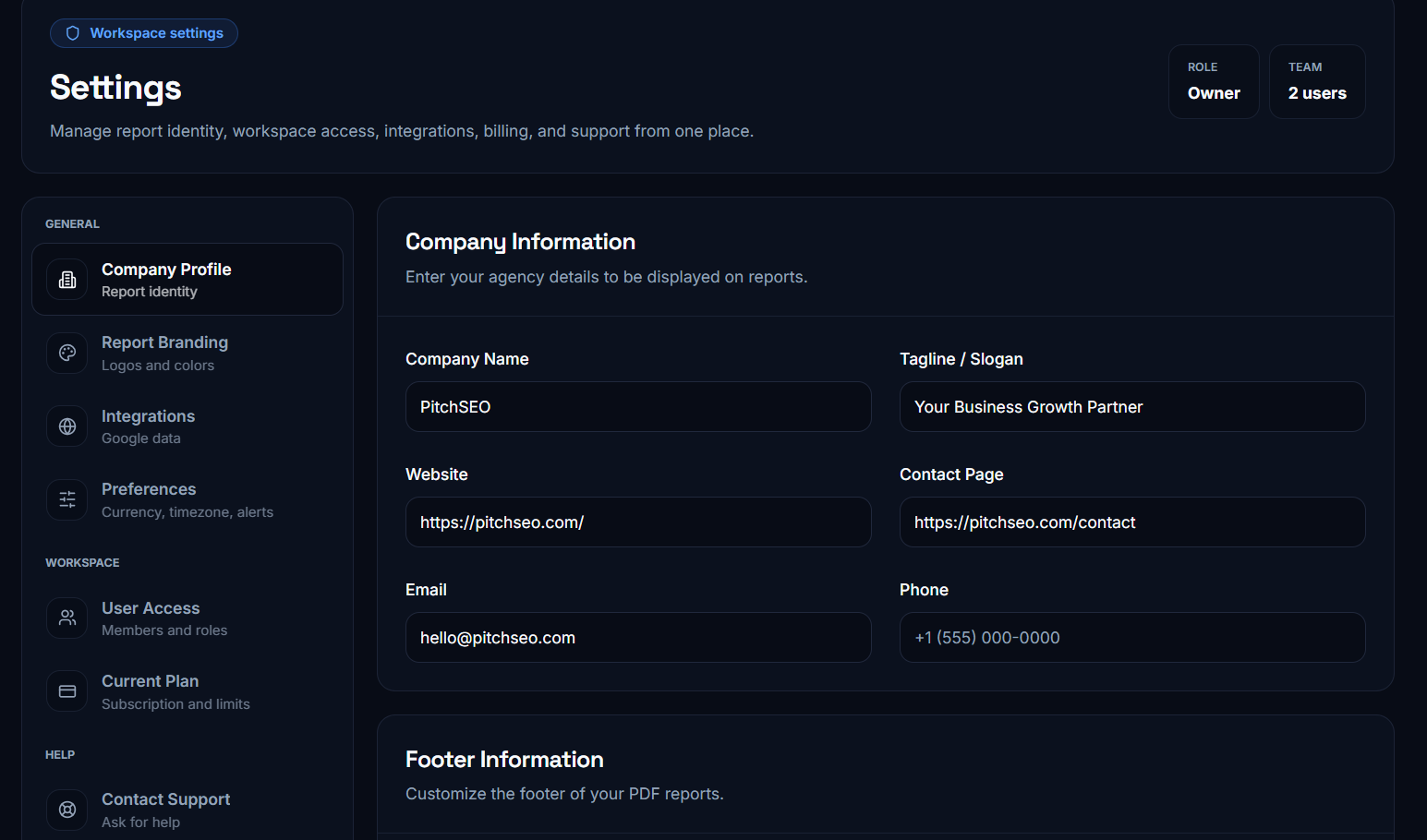
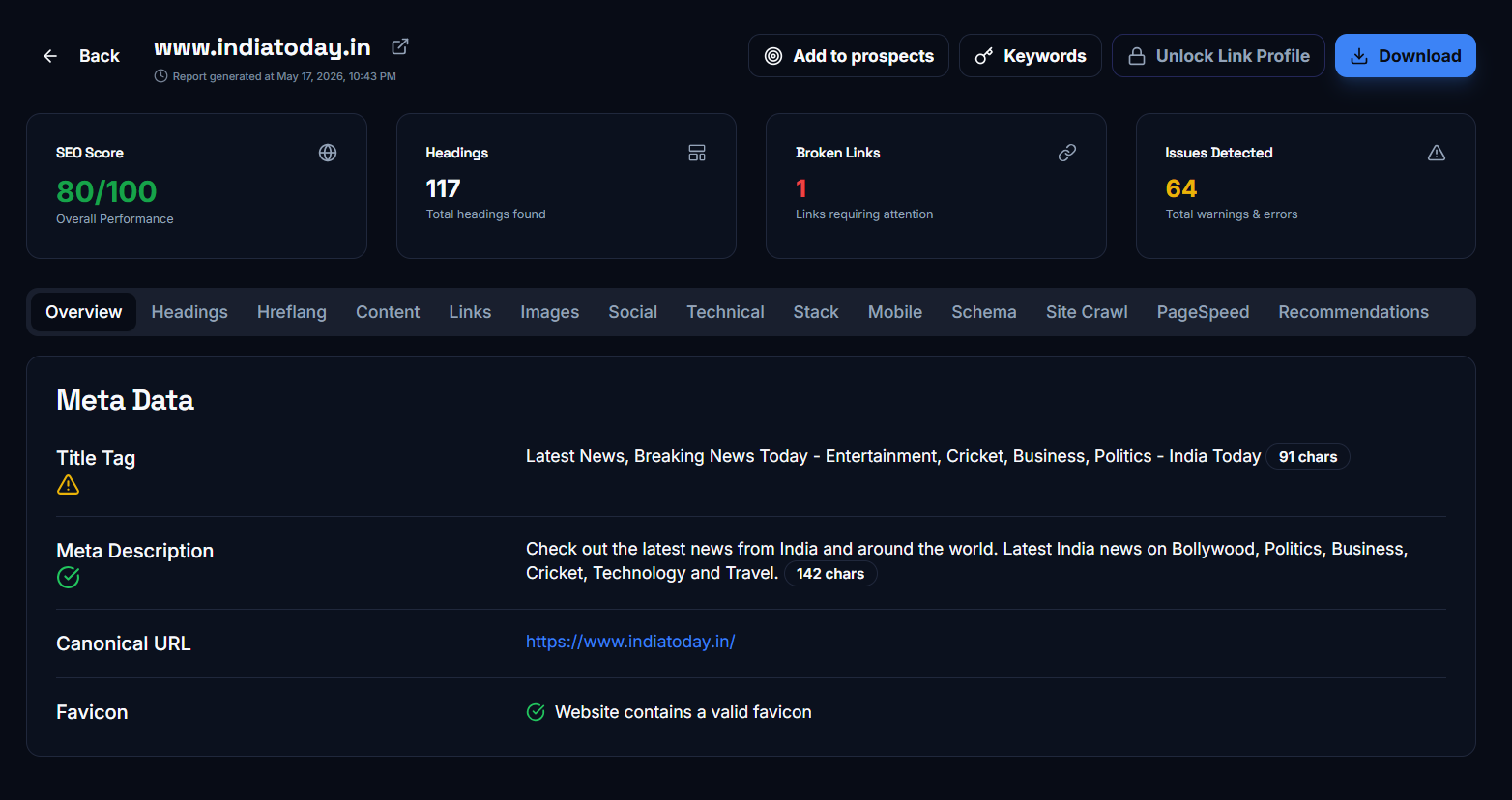
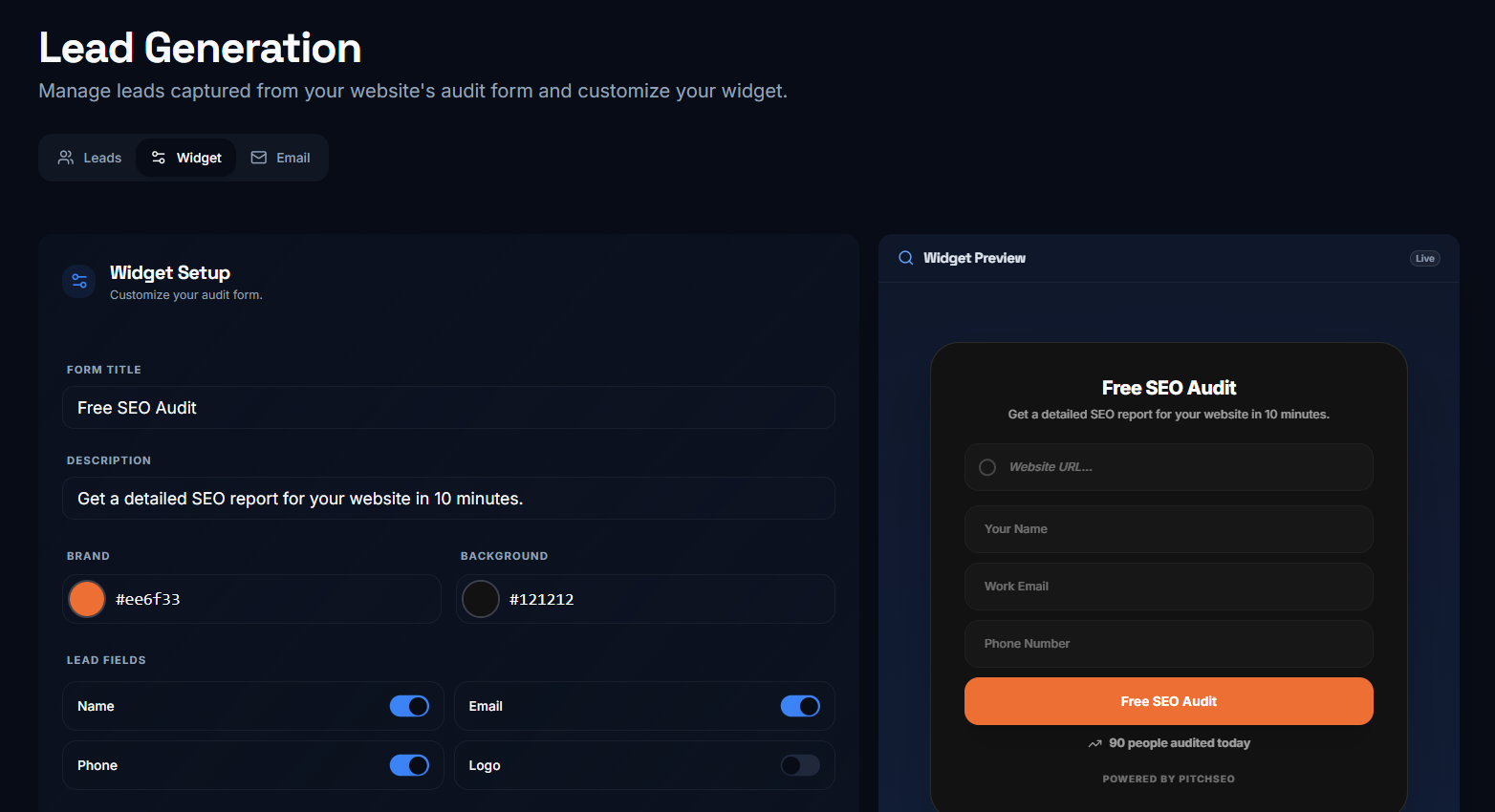
What this looks like inside PitchSEO
Agencies close more confidently when the sales story is supported by real screens, not abstract promises.
These views help your team move from the audit, to the report, to the pitch, to the next step with the client.
Why PitchSEO works better for agency sales
PitchSEO is built around the moment when an agency has to turn SEO analysis into a buying decision.
That means the platform is not only about finding issues. It is about helping your team explain those issues, package the opportunity, and move the client toward a clear next step.
Why agencies choose PitchSEO
- Turns technical SEO findings into client-ready sales language.
- Creates audit reports, pitch decks, proposals, and branded exports from one workflow.
- Helps agencies respond faster while the prospect is still interested.
- Gives sales teams a repeatable structure for discovery, follow-up, and onboarding.
- Keeps your agency brand in front of the client with white label report delivery.
- Supports PDF, PPT, Word, and reporting workflows that different buyers prefer.
Best-fit use cases
- Prospecting: send a fast SEO website audit report after a lead shows interest.
- Discovery: guide the call with a clear audit story instead of scattered notes.
- Proposal: turn findings into an SEO proposal document with a stronger business case.
- Presentation: use an SEO pitch deck or SEO sales deck for decision makers.
- Onboarding: carry the same priorities into kickoff and first-phase planning.
The moment most agency pitches start to drift
Every agency knows the feeling. A prospect asks for insight, the team opens three tools, and the conversation slowly becomes a tour through data instead of a business case.
The client hears words like crawlability, title tags, duplicate headings, indexation, internal links, schema, and speed. Those things matter, but they rarely create momentum by themselves.
What creates momentum is a clear story: this is what is holding the site back, this is what it costs, this is what we would fix first, and this is why your team should act now.
For an agency, the win is not simply producing another document. The win is giving the prospect a reason to trust the recommendation and a simple path to say yes.
Why agencies need more than another export
Most SEO software is excellent at collecting information. The harder part is turning that information into a persuasive asset.
An agency does not win the account because it found one missing meta description. It wins because it makes the buyer feel understood.
A useful report connects technical evidence to commercial anxiety: fewer qualified visits, weaker local visibility, poor category coverage, slow pages, thin landing pages, confused search intent, and missed opportunities competitors are already capturing.
PitchSEO keeps the workflow practical: audit the site, shape the story, prepare the deliverable, and move the conversation toward the next decision.
The sales problem hidden inside the audit problem
A technical audit can be accurate and still fail as a sales asset. Accuracy is the floor.
Clarity is what moves the deal. The prospect needs to see the website through a new lens, then believe the agency has a practical path forward.
That means the report has to slow down at the right moments, explain the issue in plain language, and show how the work will create progress. When an agency can do that consistently, the audit stops being a checklist and becomes a client acquisition system.
That structure helps the agency sound specific without spending hours rebuilding the same report or deck from scratch.
A better agency workflow begins before the call
The strongest pitch often starts before the first meeting. A strategist reviews the prospect's site, identifies the patterns that matter, and prepares a narrative that feels specific.
The buyer should not feel like they are receiving a recycled deck. They should feel like the agency has already done the thinking.
That preparation gives the sales call a different tone. Instead of asking generic discovery questions, the agency can say, here is what we noticed, here is why it matters, and here is where we would begin.
When the client can see the issue, understand the impact, and follow the recommended next step, the sales conversation becomes much easier.
| Manual agency process | PitchSEO workflow |
|---|---|
| Audit data lives in spreadsheets, screenshots, and scattered notes. | Findings are organized into a structured SEO audit report. |
| The founder or strategist writes the same explanations again and again. | AI-assisted recommendations help create a strong first draft. |
| Pitch decks are rebuilt manually for every prospect. | SEO pitch deck content follows a repeatable sales narrative. |
| Reports often look like they came from a third-party tool. | White label SEO reports keep the agency brand visible. |
| Follow-up depends on whoever has time after the call. | Exports make it easier to send a PDF, PPT, Word doc, or proposal quickly. |
How the report becomes a story
A strong SEO story has a beginning, middle, and next step. The beginning names the missed opportunity.
The middle explains the evidence in a way a business owner can understand. The next step gives the prospect a believable path toward improvement.
This structure is simple, but it changes how the buyer receives the information. The report no longer feels like a warning label attached to a website.
It feels like a plan created by a team that knows how to prioritize.
This is where a repeatable reporting workflow becomes a growth advantage, especially for teams managing multiple prospects at once.
Why white label delivery matters
For agencies, presentation is not decoration. It is trust.
A white label report gives the agency ownership of the recommendation and keeps the client relationship centered on the team doing the work. When the document carries the agency's tone, logo, colors, and contact details, it reinforces authority.
The client does not need to know which internal system helped generate the first version. They need to believe the agency is organized, thoughtful, and ready to lead the next phase.
The agency still owns the strategy, but PitchSEO reduces the manual work required to package that strategy clearly.
The role of templates in better client conversations
Templates are not about making every pitch identical. They are about removing the repetitive parts so the team can focus on judgment.
A good SEO report template gives the strategist a reliable structure: summary, key issues, business impact, recommended actions, priority order, and follow-up plan. From there, the agency can customize the story.
The result is a report that feels consistent enough to scale and specific enough to win trust.
A stronger deliverable also makes internal sharing easier for the buyer, which matters when more than one person has to approve the SEO engagement.
What decision makers actually need to see
Executives and business owners rarely need every technical detail during the first conversation. They need to understand the size of the opportunity, the risk of waiting, the likely order of work, and the difference between doing something and doing nothing.
That is why a useful SEO sales report should make tradeoffs visible. It should show which fixes are quick wins, which require deeper work, and which opportunities can support a longer engagement.
Instead of ending the call with loose promises, the agency can leave behind a useful asset that keeps selling after the meeting.
Turning audit findings into a proposal
A proposal becomes stronger when it grows naturally from the audit. The agency can point to the evidence, explain the priority, and connect each service line to a visible need.
Technical SEO is not just a line item. Content strategy is not just a line item.
Reporting is not just a line item. Each part of the proposal becomes a response to something the buyer has already seen and understood.
That makes the scope feel earned instead of invented.
The result is a more consultative process: fewer vague recommendations, more evidence, and a clearer connection between SEO work and business value.
Why speed matters in SEO sales
Fast follow-up changes deals. When a prospect requests an audit or agrees to a discovery call, attention is high for a short window.
If the agency waits three days to assemble a report, the urgency can fade. A faster workflow lets the team respond while the problem is still fresh.
The goal is not to rush strategy. The goal is to remove manual assembly, formatting, and repetitive writing so the strategist can spend more time on the parts that actually require expertise.
For busy agencies, that kind of clarity compounds across outreach, discovery, proposals, onboarding, and retention.
| Buyer concern | How PitchSEO helps the agency answer it |
|---|---|
| Why should we care about these SEO issues? | The report connects findings to visibility, leads, trust, and revenue impact. |
| What should we fix first? | The audit structure helps show priorities instead of dumping every issue at once. |
| Can we share this internally? | PDF reports, pitch decks, and proposal documents are easier for buyers to circulate. |
| Why choose your agency? | Branded reports and a clear action plan make the agency look prepared and consultative. |
| What happens after we sign? | The same audit story can guide onboarding, first-phase priorities, and kickoff discussions. |
The quiet value of consistency
Many agencies grow until delivery becomes uneven. One strategist writes excellent reports.
Another sends raw screenshots. A founder creates beautiful pitch decks, but the team cannot reproduce them.
Consistency solves that. When reports, proposals, and pitch decks follow a shared structure, the agency can train team members faster, protect quality, and create a more reliable sales experience.
The client receives a polished asset no matter who prepared it.
For an agency, the win is not simply producing another document. The win is giving the prospect a reason to trust the recommendation and a simple path to say yes.
How AI should support agency judgment
AI is most useful when it accelerates the first draft and sharpens the explanation, not when it replaces expertise. Agencies still need to decide what matters, what to ignore, and how to position the opportunity.
An AI SEO workflow helps by translating repetitive audit patterns into clear recommendations. The strategist can then edit, refine, and add context.
This keeps the final report practical and human while reducing the time lost to blank-page writing.
PitchSEO keeps the workflow practical: audit the site, shape the story, prepare the deliverable, and move the conversation toward the next decision.
The difference between a report and a sales asset
A report records what was found. A sales asset creates a reason to act.
The difference is framing. A sales asset says this issue matters because it affects search visibility, lead quality, conversion confidence, or competitive position.
It gives the client language they can repeat internally. It makes the agency's recommendation easy to defend.
That is especially important when the buyer needs approval from a partner, founder, finance team, or board.
That structure helps the agency sound specific without spending hours rebuilding the same report or deck from scratch.
Using the article as onboarding material
The best pitch assets do not disappear after the contract is signed. They become onboarding material.
The same report that helped close the client can guide the kickoff call, define early priorities, and remind everyone why the first phase matters. This reduces confusion and helps the agency avoid restarting the conversation from zero.
The client already understands the story. Now the team can move into execution with more alignment.
When the client can see the issue, understand the impact, and follow the recommended next step, the sales conversation becomes much easier.
Where agencies can use the same workflow
The workflow applies across prospecting, sales, onboarding, and retention. A short audit can open a cold conversation.
A detailed report can support a discovery follow-up. A pitch deck can help win the buying committee.
A proposal document can define the engagement. A recurring report can show progress after the work begins.
When these assets are connected, the agency feels more organized and the client experiences a smoother path from interest to action.
This is where a repeatable reporting workflow becomes a growth advantage, especially for teams managing multiple prospects at once.
How to avoid keyword-stuffed reporting
SEO agencies understand the temptation to over-explain. The same temptation exists in sales content.
Strong reporting uses keywords and technical terms where they help, but it does not bury the client in jargon. The best client-facing language is specific, calm, and tied to outcomes.
It uses terms like SEO audit report, white label SEO report, SEO proposal, SEO pitch deck, and SEO client report naturally because those are the assets being created, not because the page is chasing density.
The agency still owns the strategy, but PitchSEO reduces the manual work required to package that strategy clearly.
What the agency should customize
Automation should never remove the agency's point of view. Before sending a report, the team should customize the summary, adjust the priority order, add relevant business context, and remove anything that does not support the sales conversation.
This final pass is where expertise shows. The automated workflow creates speed and structure.
The agency adds judgment, positioning, and the specific recommendation that makes the prospect feel seen.
A stronger deliverable also makes internal sharing easier for the buyer, which matters when more than one person has to approve the SEO engagement.
The compounding effect of better assets
One good report helps one deal. A repeatable system changes the agency.
Sales calls become easier to prepare for. New team members learn the pitch faster.
Prospects receive clearer follow-up. Founders spend less time rebuilding decks.
Account managers have better handoff material. Over time, the agency builds a library of examples, templates, and patterns that make every future sales conversation sharper than the last.
Instead of ending the call with loose promises, the agency can leave behind a useful asset that keeps selling after the meeting.
A practical way to close the loop
After the report is sent, the next step should be obvious. Invite the prospect to review the highest-priority issues, confirm which business goals matter most, and decide whether the first phase should focus on technical cleanup, content expansion, local visibility, conversion improvements, or reporting infrastructure.
A clear close does not pressure the client. It gives them a sensible path forward and makes the agency easy to choose.
The result is a more consultative process: fewer vague recommendations, more evidence, and a clearer connection between SEO work and business value.
The agency advantage
Agencies that explain well have an advantage. Many competitors can identify SEO issues.
Fewer can turn those issues into a story that a buyer understands and trusts. That is the purpose of a stronger reporting workflow.
It helps the agency show the problem, make the business case, present the plan, and carry the conversation into a proposal. When that happens, SEO becomes easier to buy because the value is easier to see.
For busy agencies, that kind of clarity compounds across outreach, discovery, proposals, onboarding, and retention.